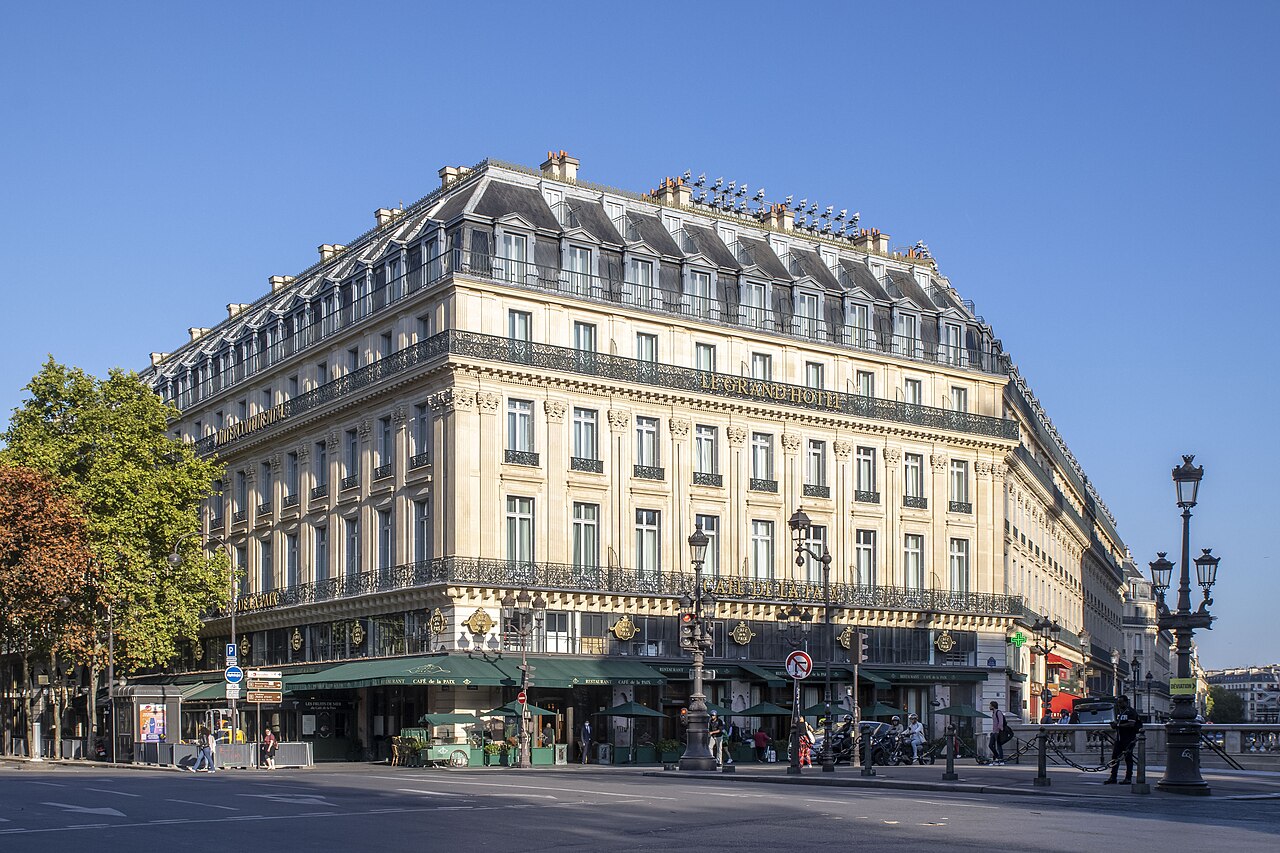
1867: A Parisian chef tries his hand at magic.
A fellow named Balzac (no, not the novelist, another one) was running the kitchens at the Grand Hôtel in Paris.
Paris is about to host the Exposition Universelle, and the chef wanted to dazzle his guests with a culinary paradox: a dessert that is hot on the outside but ice-cold on the inside. Science meets sugar!
The Scientific Twist
Balzac claimed he drew inspiration from the work of Benjamin Thomson aka Count Rumford, an American-born physicist, who spent a fair amount of times in Bavaria, Germany.
Rumford had discovered that whipped egg whites (meringue) have a low thermal conductivity. Basically, if you wrap ice cream in a fluffy blanket of meringue and pop it in a hot oven, the ice cream stays frozen while the outside gets that lovely toasted tan.
Wait, Why “Norwegian”?
Balzac, perhaps being better at baking than geography, decided to name his creation the “Omelette Norvégienne.” Why? Because he mistakenly believed that Bavaria was located in… Norway. (Hey, it was the 19th century; Google Maps was still a few years off).
Remember, Benjamin Thomson spent quite a few year in Bavaria!
The American Counter-Attack
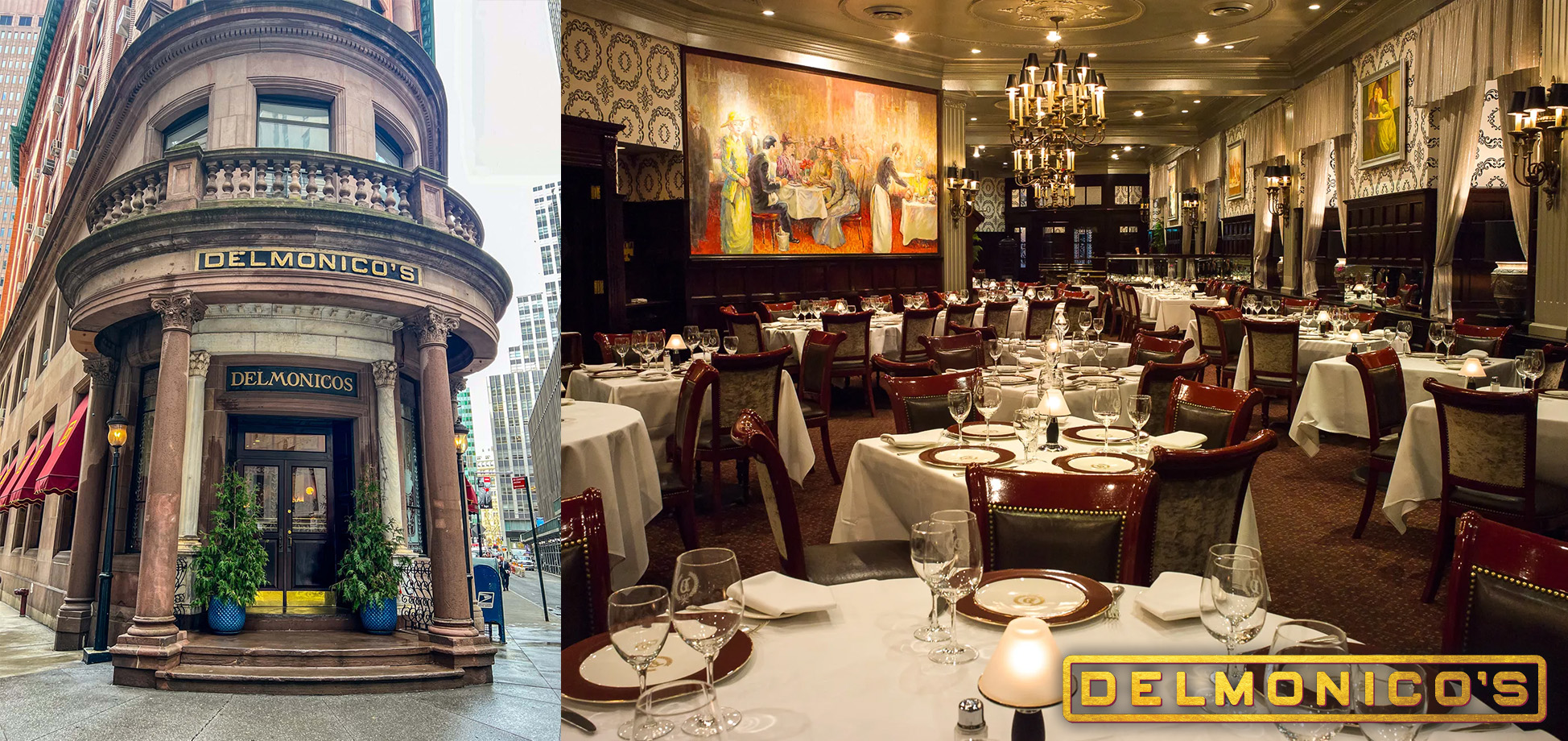
Meanwhile, across the pond at Delmonico’s in New York, they weren’t about to let the French have all the glory. In 1867, to celebrate the United States’ acquisition of Alaska from Russia, Chef Charles Ranhofer served his own version of the dish.
Naturally, he gave it a name that actually made sense geographically: the Baked Alaska.
2024: A French UI Designer Discovers the Secret (and Annoys the World)
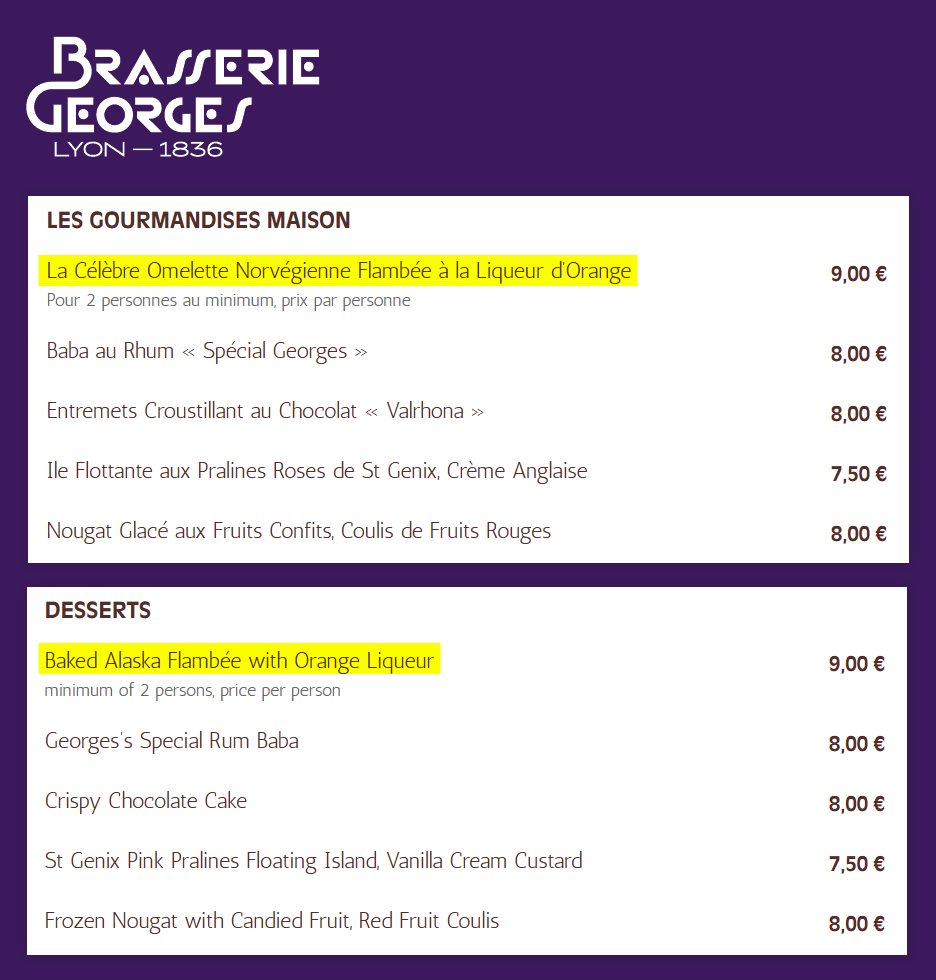
Imagine my astonishment. I’m at work in Leamington Spa, England, and I spot the phrase “Baked Alaska” on the English menu of a brasserie, while I’m bragging about French gastronomy to my colleagues. Yes, I’m one of those tiresome French person who can talk nonsense for hours about the treasures of our cuisine. It’s even called gastronationalism, and I confess I often fall for this misplaced pride.
But let’s get back to the point.
My reaction was…
First, indignation.
Then came obsession.
And finally, the discovery that the dessert has more names than it actually tastes.
Consequence: I’m bombarding my friends and family with this story. By the way Palli, if you’re reading this, you still haven’t answered about Iceland.
The Map That Divides the World
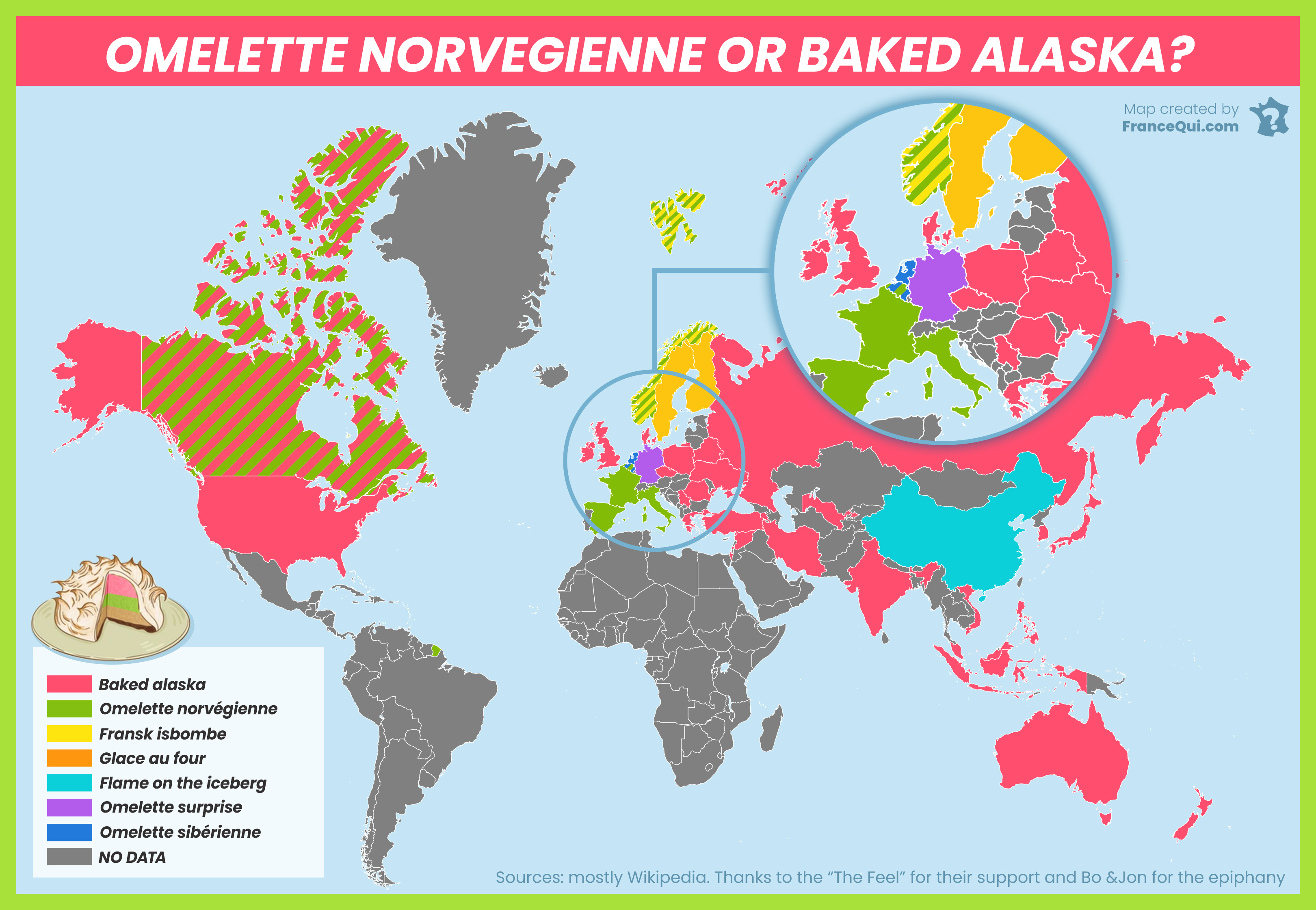
Tired of scrolling through every reel on Instagram, I decided to map the chaos.
So here’s the result of those many hours of work. There are a lot of countries for which I didn’t get an answer, but I couldn’t help noticing that the Quebec Office of the French Language insists on the name “Norwegian Omelette,” allowing me to fill a huge portion of the map with hatching.
The Belgians, less dramatically due to their size of barely exceeding 30,000 km², are also divided between the French and Flemish versions of the name for this dessert.
And what a name… Perhaps the most mysterious of all! I couldn’t believe it when I saw it on Wikipedia. In the Netherlands, it’s been named a Siberian omelette. Why? Did a Dutchman think Alaska was in Siberia?
Norway, for its part, didn’t pass up the opportunity presented to it and decided to keep the dessert within its borders. Except that some Norwegians, perhaps as a joke or to recall the dessert’s origins, call it… the French bomb.